Real estate lawyers play a valuable role for home buyers to make sure that their best interests are represented when purchasing a home. This includes making sure that the deal is fair, that what you are purchasing is what you thought you were purchasing, and arranging for services such as title insurance.
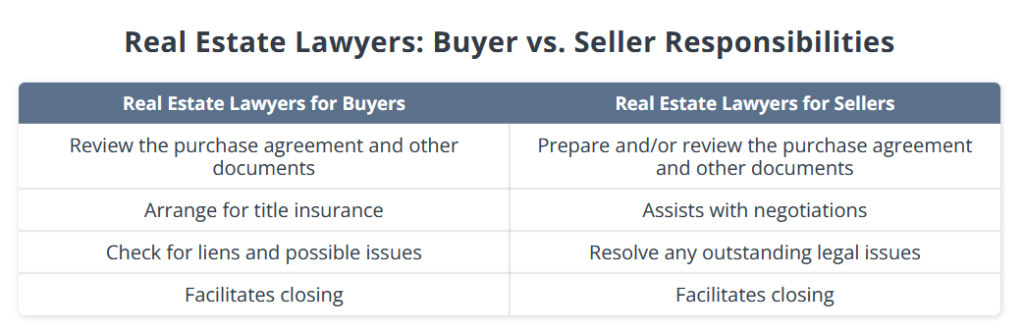
Reviewing the purchase agreement and other documents
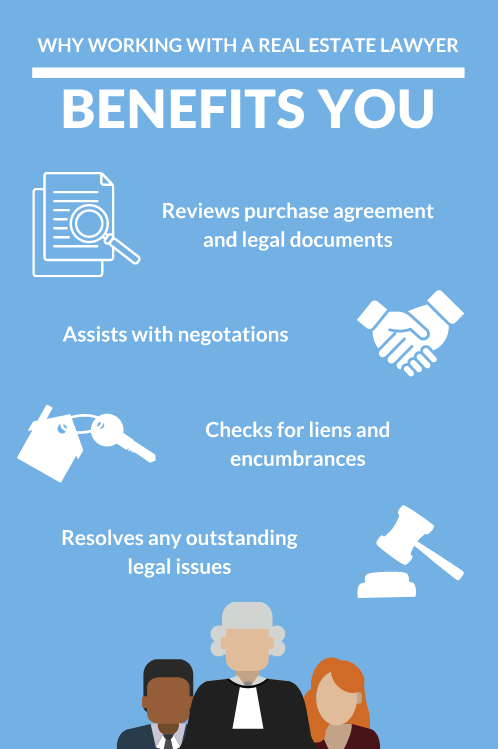
Documents and contracts make up a large part of a real estate transaction. The real estate purchase agreement, called an agreement of purchase and sale in Ontario or a contract of purchase and sale in BC, outlines the terms of the purchase. Besides just the home price and important dates, the purchase agreement includes details about the property being purchased and conditions that might be attached to the sale. The seller’s real estate agent will commonly be the one that prepares the purchase agreement, usually from a template. For buyers, a real estate lawyer will review the purchase agreement to make sure that there aren’t any redflags or issues. If there are any, your lawyer will ask for an amendment to be made to the purchase agreement.
The purchase agreement is important since it makes up the entirety of the transaction. The purchase agreement defines the terms of the sale, including what you are buying, while the original home listing and MLS description has no bearing at all. For example, a MLS listing might state that the home has a backyard. If the purchase agreement does not specifically state that the property being purchased includes the backyard, then the backyard is not included in the home purchase. As a written contract, the purchase agreement also supersedes any verbal promises that the seller may have made. For example, perhaps the home seller promised to give the buyer a $10,000 discount off of the home price. If the purchase agreement does not reflect this discount, then this discount never existed.
Arrange for title insurance
While title insurance might not be required by law, it can still be a good idea to purchase title insurance to protect your home purchase. Your mortgage lender may also require you to purchase title insurance in order to get a mortgage with them. Having title insurance protects you from leftover liens, title defects, and title fraud, all for a one-time cost.
A buyer’s real estate agent will help arrange for title insurance to be purchased from a title insurance company. You may also choose to purchase title insurance yourself by going to an insurance agent, an insurance broker, or directly to a title insurance company. However, some title insurance companies might only deal directly with legal professionals, such as lawyers, notaries, law clerks, and legal assistants. Your real estate lawyer may also help you understand your home insurance options in Canada.
Check for liens and possible issues
While title insurance protects you from certain issues with the property’s title, a buyer’s real estate lawyer will still check the property’s records. This includes checking for any liens, such as an unpaid mortgage or other outstanding debt from the previous owner, as well as known title defects. It also includes reviewing your property survey and looking for any encumbrances, which can include restrictive covenants, easements, and municipal by-laws that might restrict your use of the property. A buyer’s real estate agent might also conduct an off-title search. This will find issues that won’t show up on a property’s title, such as unpaid property tax and unpaid utilities, by contacting the relevant municipality and utility companies.
Facilitates closing
A buyer’s real estate lawyer will handle the final closing with the seller’s real estate lawyer. In an escrow arrangement, you’ll send your down payment to your real estate lawyer. Your real estate lawyer will also receive the rest of the money to purchase the home from your mortgage lender. This money will be held in trust and will be released to the seller’s lawyer once the keys to the home have been delivered to the buyer’s lawyer. The home buyers will meet with their lawyer to receive the keys to the home.
During closing, a buyer’s real estate lawyer will also be responsible for reviewing the statement of adjustments and registering the transfer in your province’s land registration system or land registry office.